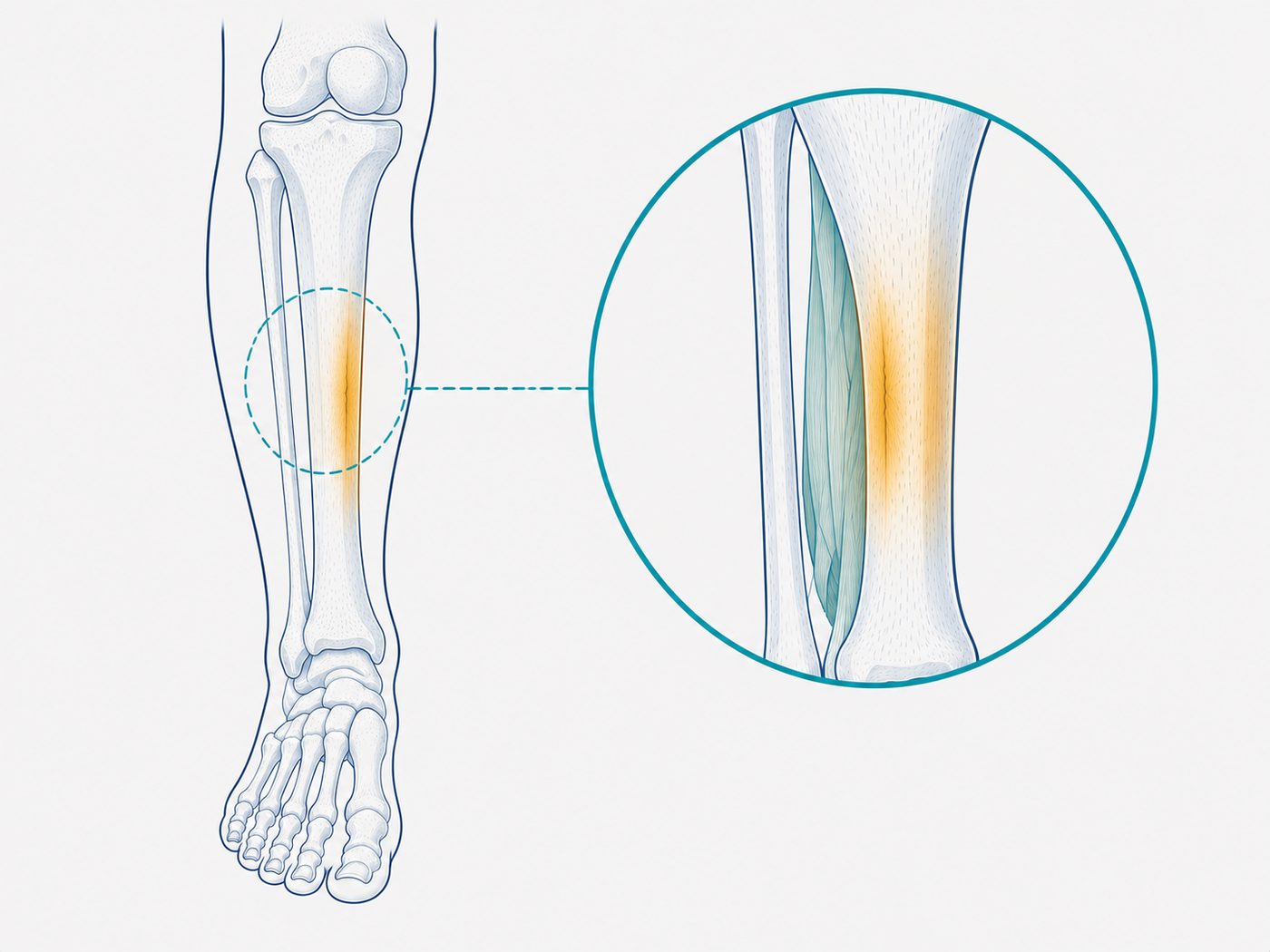
Shin splints: when running no longer feels the same
Pain along the inner part of the shin that appears during or after running.
Shin splints is one of the most common overload injuries in runners - and “running through the pain” for a few weeks, as many people try to do, is exactly the approach that turns a simple overload injury into a lasting problem.
If you feel pain along the shin on every run, especially at the start of a session or after it, this may be shin splints. It’s one of the most common overload injuries in runners, soldiers and people who increase their activity volume quickly. Many patients come to me after already trying to “run through the pain” for a few weeks - and that is exactly the approach that turns a simple overload injury into a lasting problem.
What are shin splints?
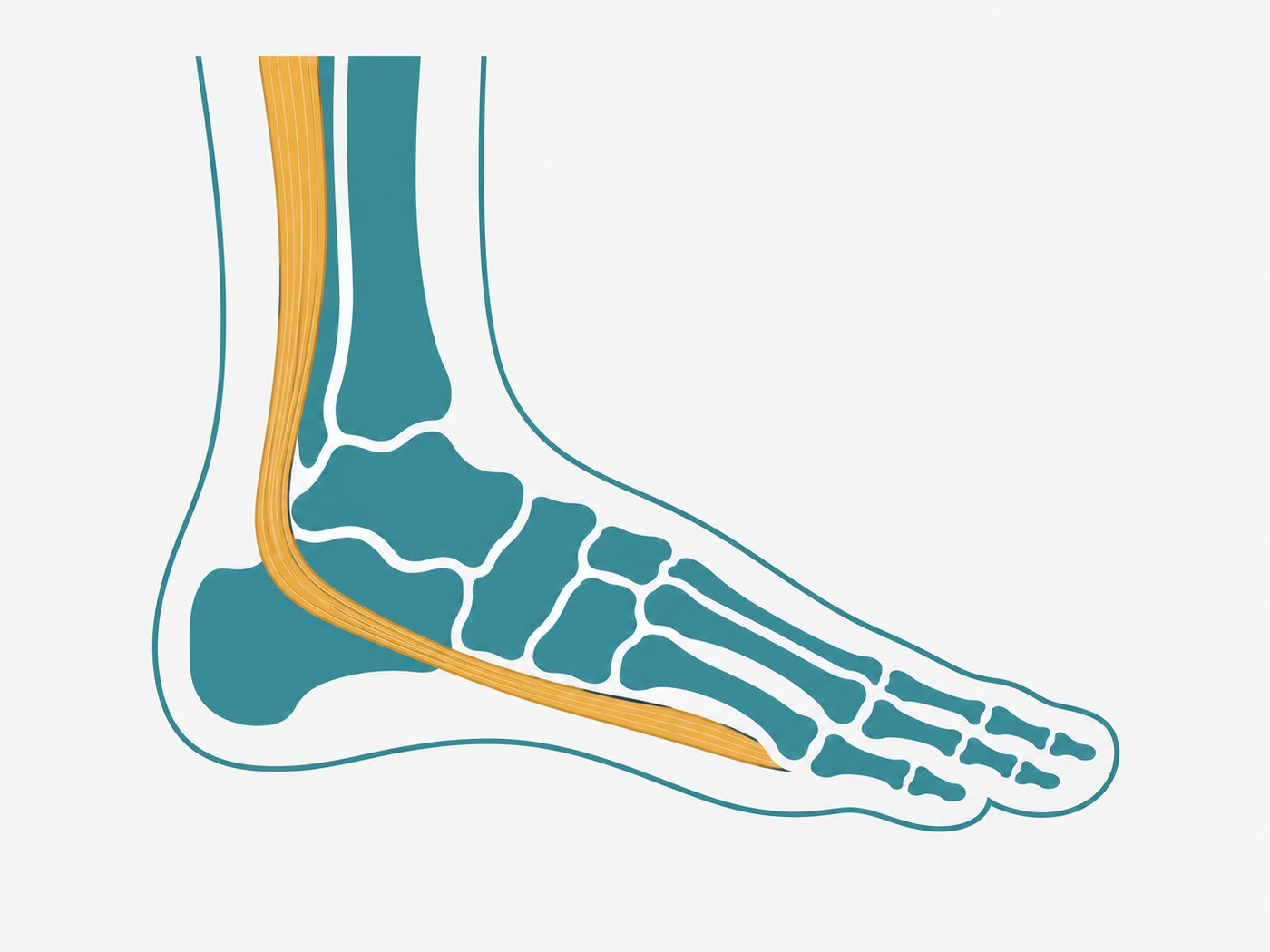
Shin splints is pain that develops along the inner part of the shin bone following repeated load on the muscles and tissues in the area. It’s usually an overload injury that develops gradually rather than following a one-off event - increasing running volume too quickly is the most common cause I see.
A useful rule of thumb for runners: don’t increase weekly running volume by more than 10% from one week to the next. It’s the simplest way to prevent overload injuries such as shin splints in the first place.
How does it usually feel?
- Pain along the shin.
- Pain at the start of a run.
- Tenderness to touch.
- Discomfort after training.
- Pain that worsens with load.
- Pain focused at one specific point rather than spread along the shin
- Pain that appears at rest or at night as well
- The pain keeps worsening instead of improving
- Marked local swelling
How can physiotherapy help?
After a thorough assessment, we build a plan: load management, muscle strengthening, better movement control, and guidance on a gradual return to running - including a staged program that keeps the same problem from coming back.
Frequently asked questions
Not always. Sometimes load can be reduced while continuing with adapted activity, such as easier running or an alternative activity that doesn’t load the same area.
If the drivers of the load aren’t addressed - such as increasing volume too quickly, unsuitable shoes or weakness in the calf muscles - the pain can return when training resumes, even after a full recovery.
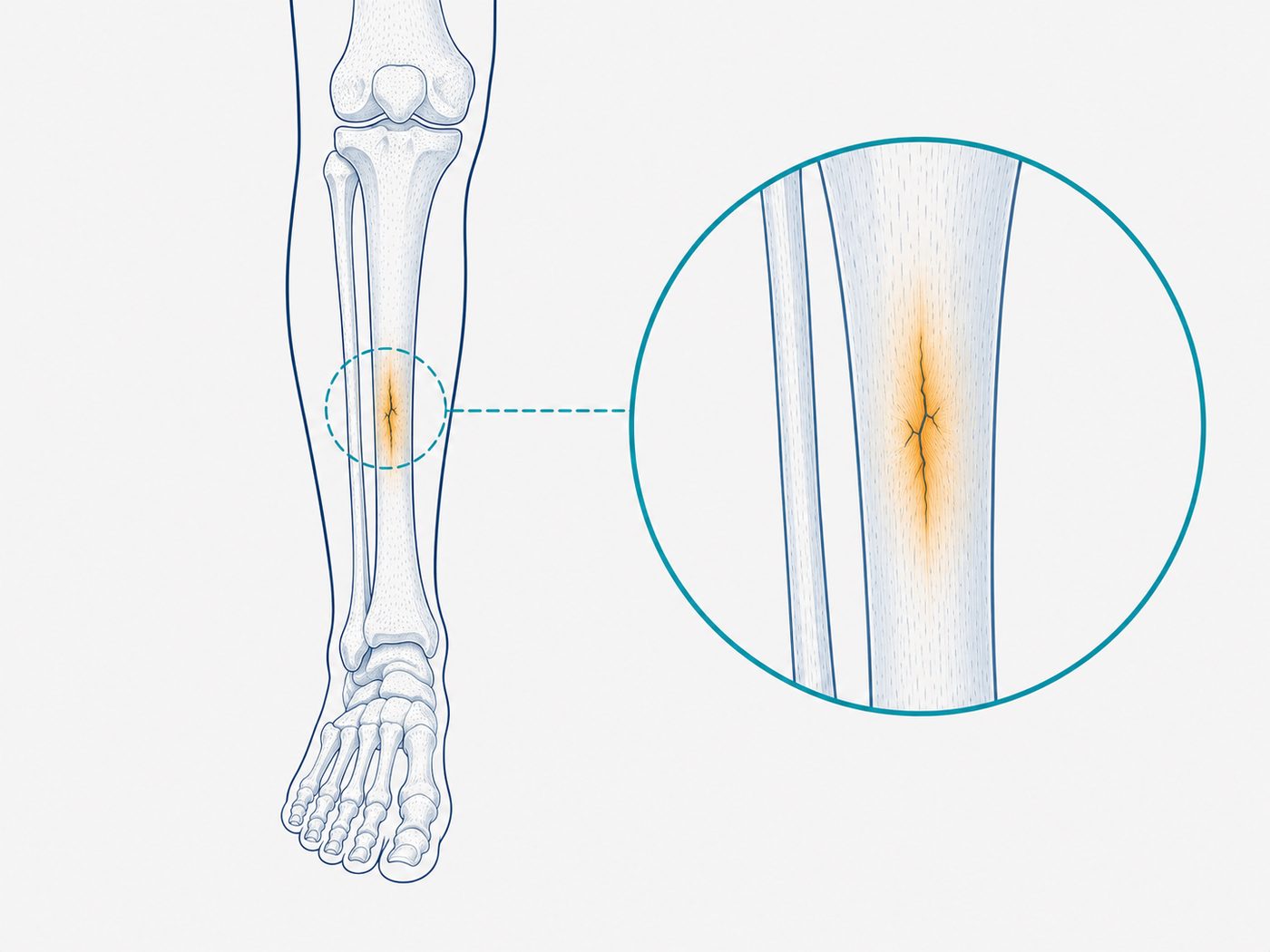
No. Other conditions, including a stress fracture, can cause pain in a similar area - so it’s better to get assessed than to self-diagnose.
What’s worth remembering?
Ignoring the pain and continuing to train at the same load can lengthen recovery time. The right assessment and gradual loading can help you return to running safely.
- Increasing running volume too quickly is the most common cause; rule of thumb: don’t increase weekly volume by more than 10% from week to week.
- It’s identified by pain along the inner part of the shin, mainly at the start of a run or after it.
- Pain focused at one specific point, or pain that appears at rest and at night, raises suspicion of a stress fracture rather than just shin splints.
Not sure if this is your situation? I’d be happy to give you a professional assessment and build a treatment plan that fits you.
Book a consultation callYou might also be interested in:
 Pain somewhere else?
Return to the interactive body map and pick an area
←
Pain somewhere else?
Return to the interactive body map and pick an area
←