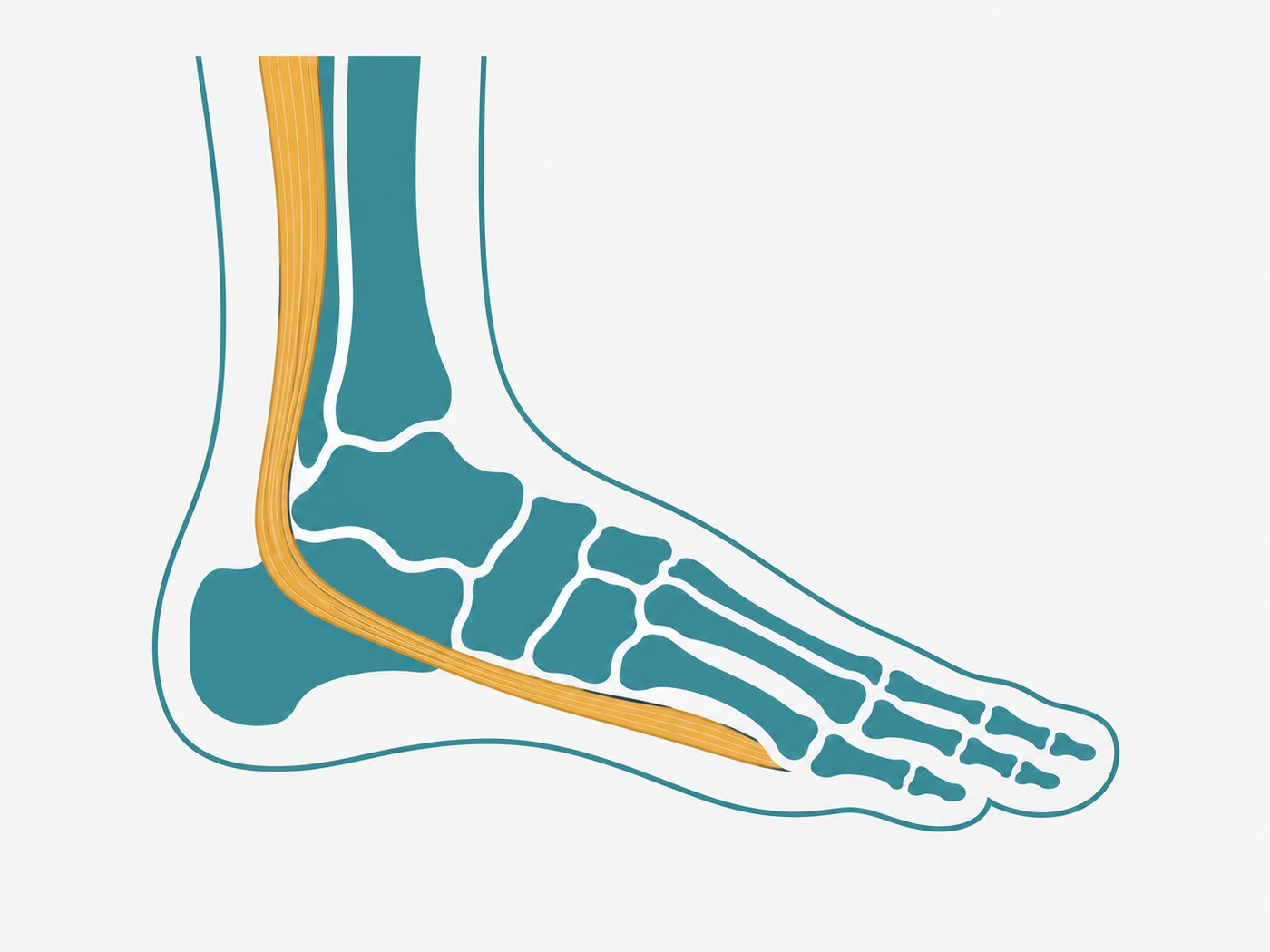
Peroneal tendinopathy: pain on the outer side of the ankle that gets confused with a sprain
Recurring pain on the outer side of the ankle that is clinically confused with repeated sprains - but this is a different problem, in the tendons.
Recurring pain on the outer side of the ankle is clinically confused with repeated sprains - but sometimes the source is the peroneal tendons rather than the ligaments, with a different mechanism and different treatment.
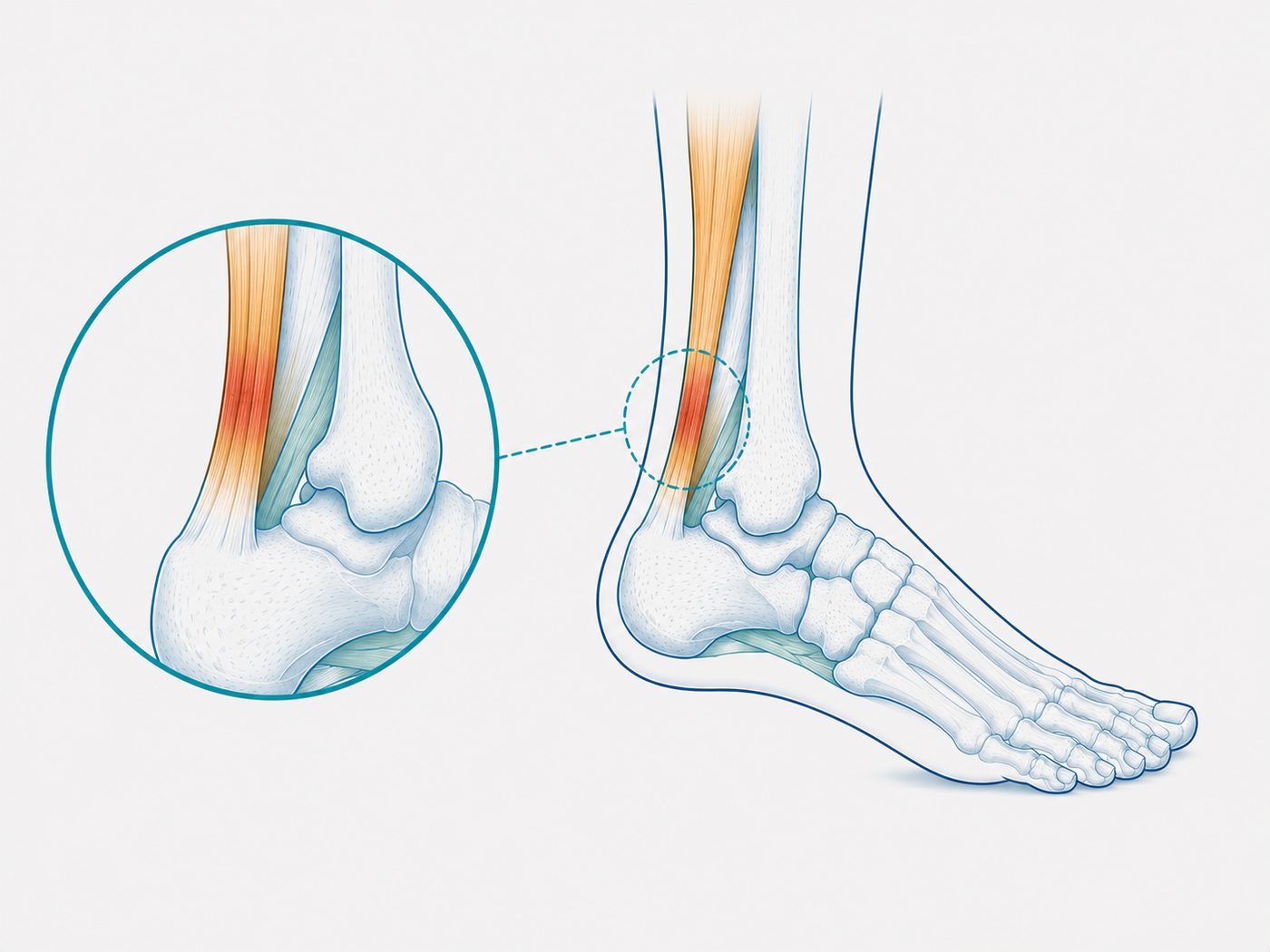
If you have recurring pain on the outer side of the ankle, particularly after activity, and it has already happened several times without a clear sprain each time - the source may be the peroneal tendons, two tendons that run along the outer side of the ankle and whose job is to stabilize it.
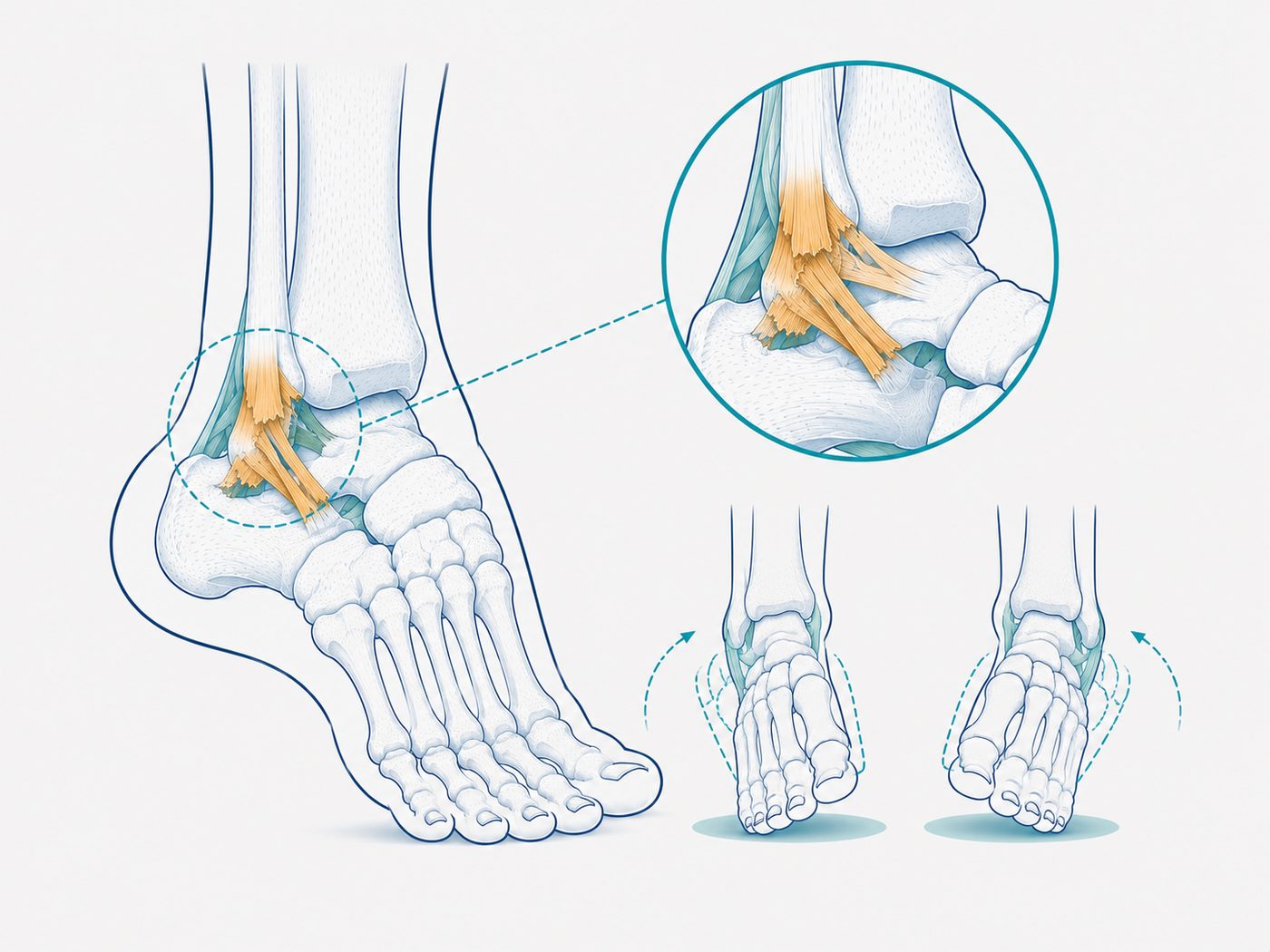
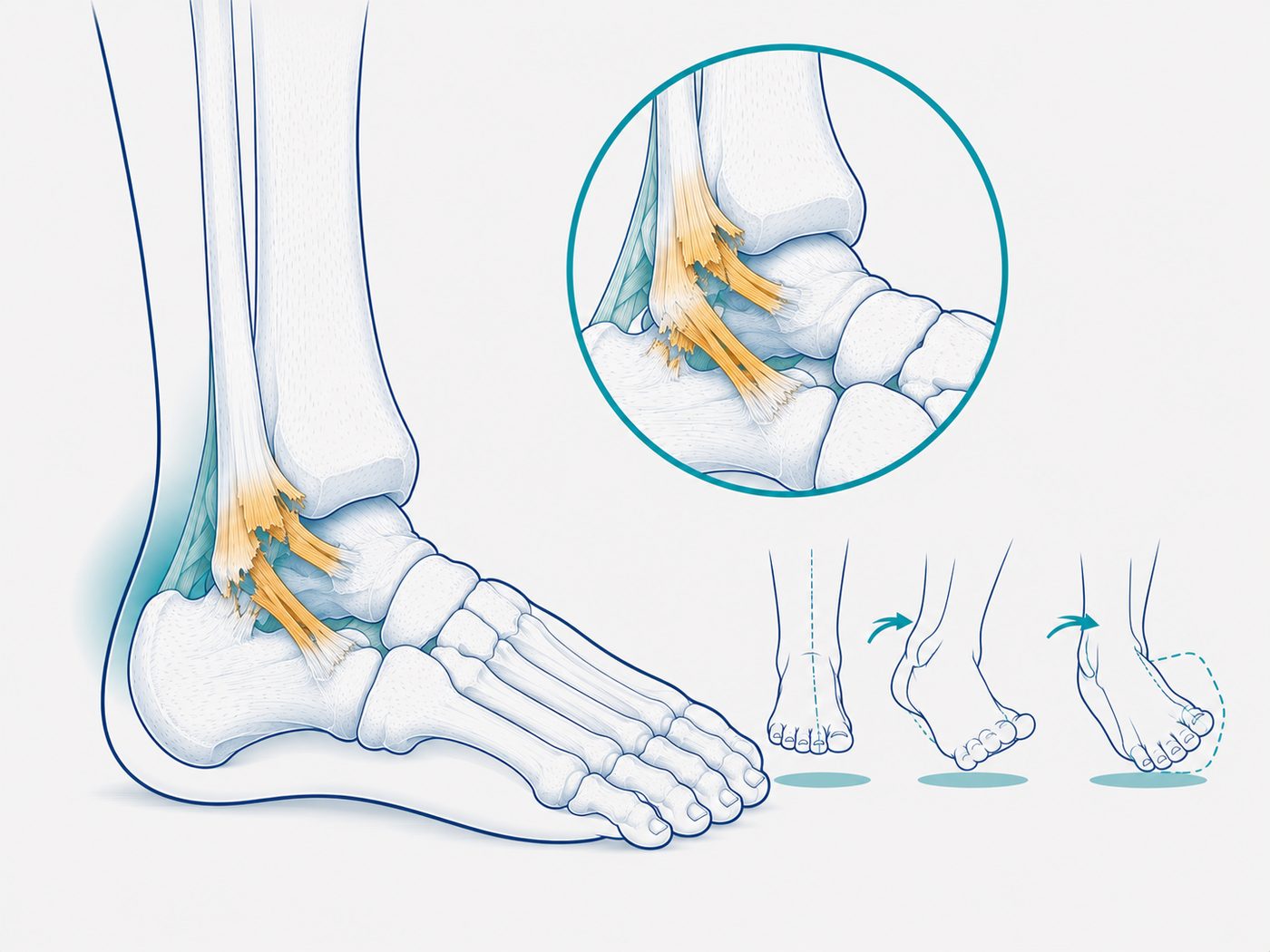
This condition is clinically confused with recurrent ankle sprains, because both cause pain in roughly the same area - but the mechanism and the treatment differ.
How does it usually feel?
Symptoms can vary, but many describe:
- Pain along the outer side of the ankle, behind the prominent bone.
- Worsening when walking on uneven ground or downhill.
- Mild swelling along the course of the tendons.
- Sometimes a feeling of “weakness” or instability in the ankle.
- Pain that worsens with activities involving repetitive load, such as running.
A helpful test: press along the tendons behind the prominent bone on the outer side of the ankle. Tenderness in one spot there, without a history of a recent sprain, points strongly to the peroneal tendons.
What causes peroneal tendinopathy?
Repetitive load on the ankle, particularly in runners or athletes who make a lot of sideways movements, can cause inflammation or gradual damage to the tendons. An ankle with a congenital tendency toward instability also increases the load on these tendons over time.
How can physiotherapy help?
Treatment focuses on strengthening the muscles on the outer side of the lower leg that support ankle stability, improving balance and the ankle’s sense of position, and gradually adjusting activity loads. In most cases there is significant improvement within a few weeks with a structured program.
When should you get checked?
If there’s swelling that doesn’t go down, pain that keeps getting worse, or a real feeling of instability causing repeat sprains - get assessed to rule out a tendon tear or another problem in the ankle.
Frequently asked questions
No, although the symptoms are similar. Here the problem is in the tendons themselves, rather than in the ligaments damaged in a sprain.
In most cases yes, with a temporary adjustment of load and work on strengthening and stability.
During flare-ups it can help, but in the long run the aim is active strengthening of the ankle itself.
What’s worth remembering?
Peroneal tendinopathy tends to be confused with recurrent sprains, but it is a separate problem in the tendons that requires its own targeted strengthening approach.
- The peroneal tendons run along the outer side of the ankle and their job is to stabilize it; repetitive load, mainly in runners, can irritate them.
- Tenderness in one spot behind the prominent bone on the outer side, without a history of a recent sprain, points strongly to these tendons.
- It’s also identified by worsening when walking on uneven ground or downhill, and a feeling of weakness in the ankle.
Not sure if this is your situation? I’d be happy to give you a professional assessment and build a treatment plan that fits you.
Book a consultation callYou might also be interested in:
 Pain somewhere else?
Return to the interactive body map and pick an area
←
Pain somewhere else?
Return to the interactive body map and pick an area
←