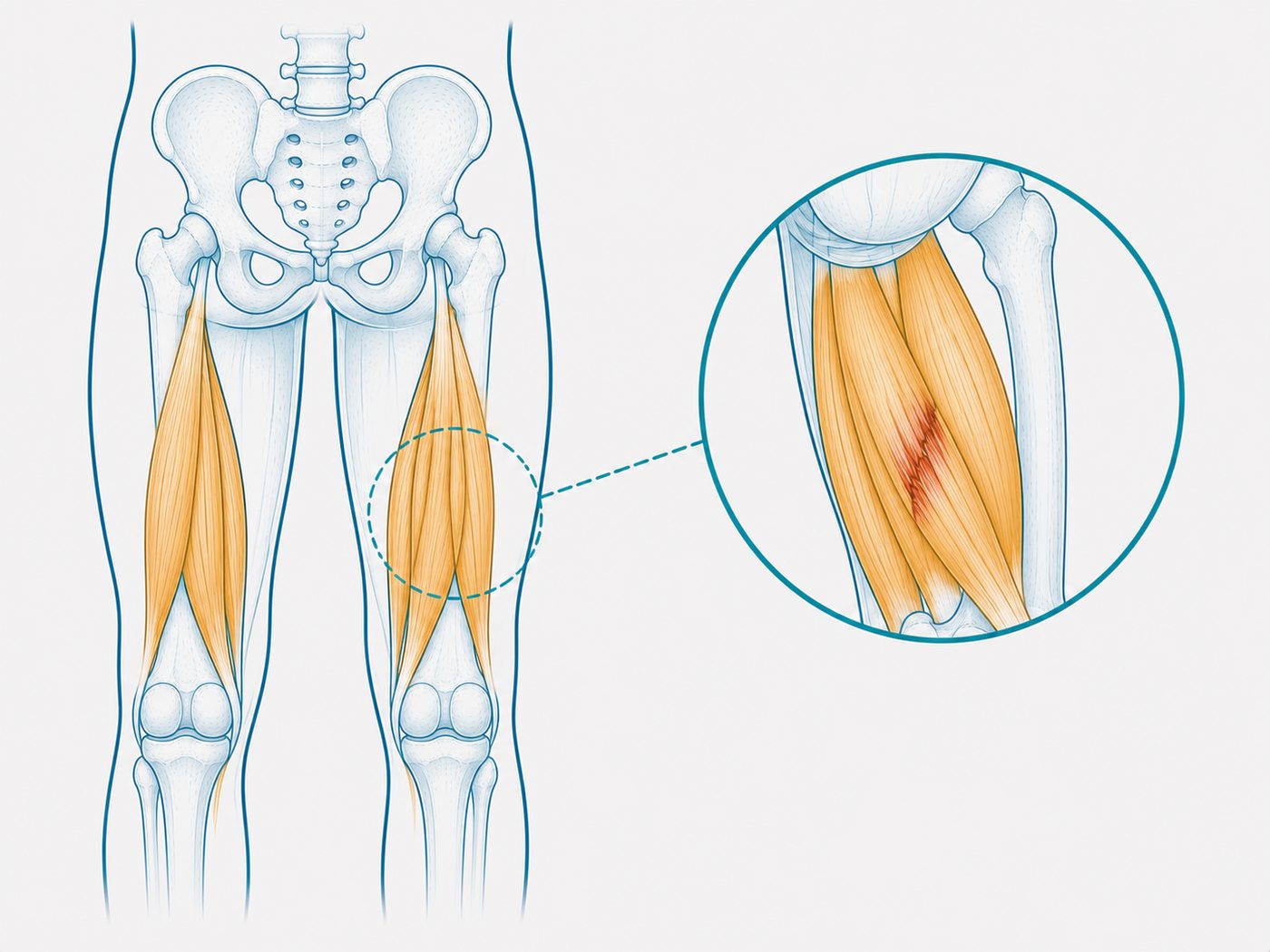
Groin pain in athletes: not every strain resolves on its own
Pain that appears with running, sprints, kicking or changes of direction.
Groin pain in sport sometimes comes from entirely different sources - muscles, tendons or joints - and continuing to “play through the pain” for weeks is exactly the approach that turns a minor injury into a chronic problem.
Groin pain is one of the most common complaints in footballers, runners and athletes who make rapid changes of direction. Sometimes it appears only in a sprint, and sometimes even getting out of bed or coughing is a reminder that it is there. Many athletes carry on playing “through the pain” for weeks before coming to me - and that is exactly what turns a relatively minor injury into a chronic problem that takes far longer to resolve.
Why does it happen?
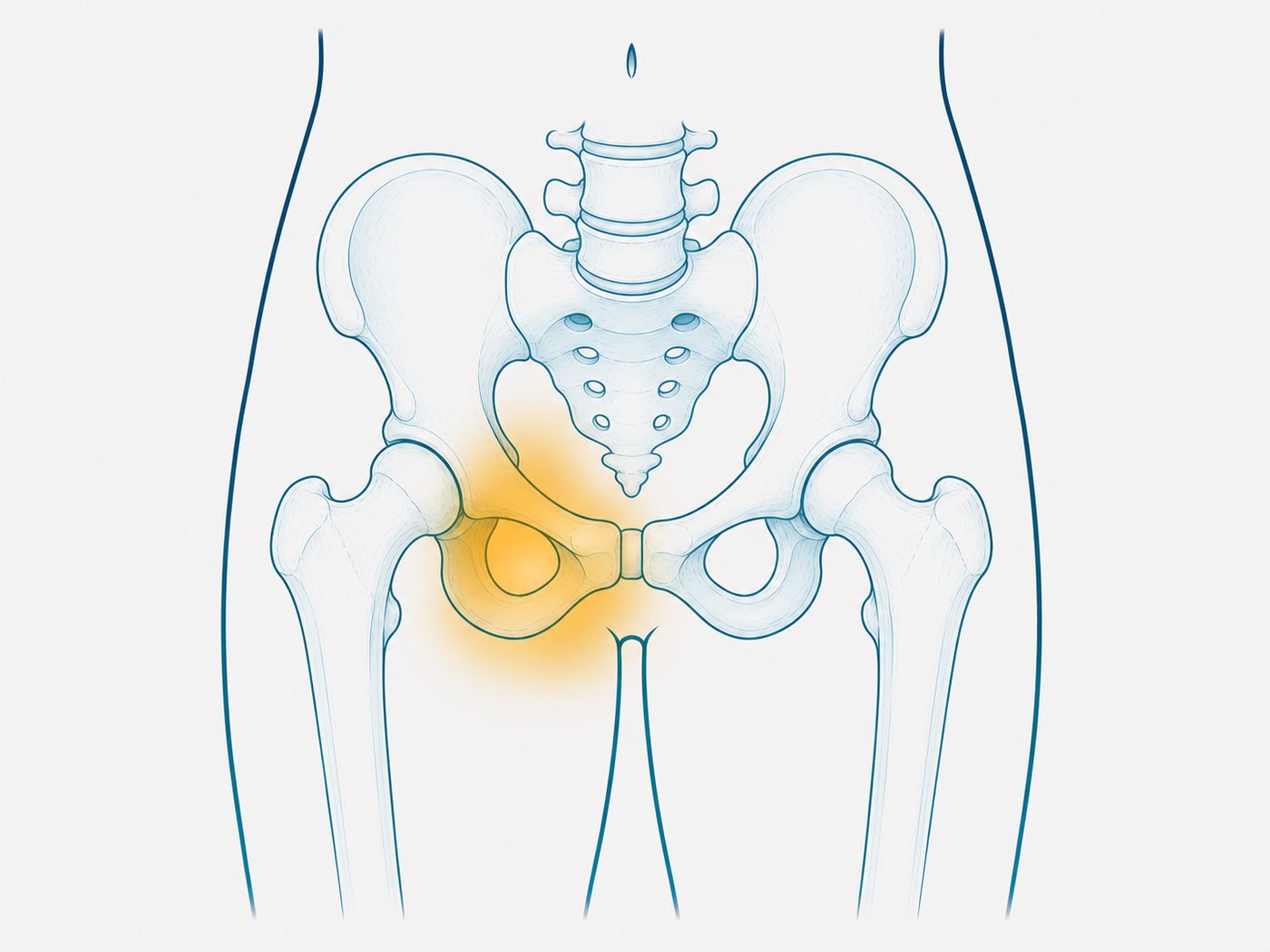
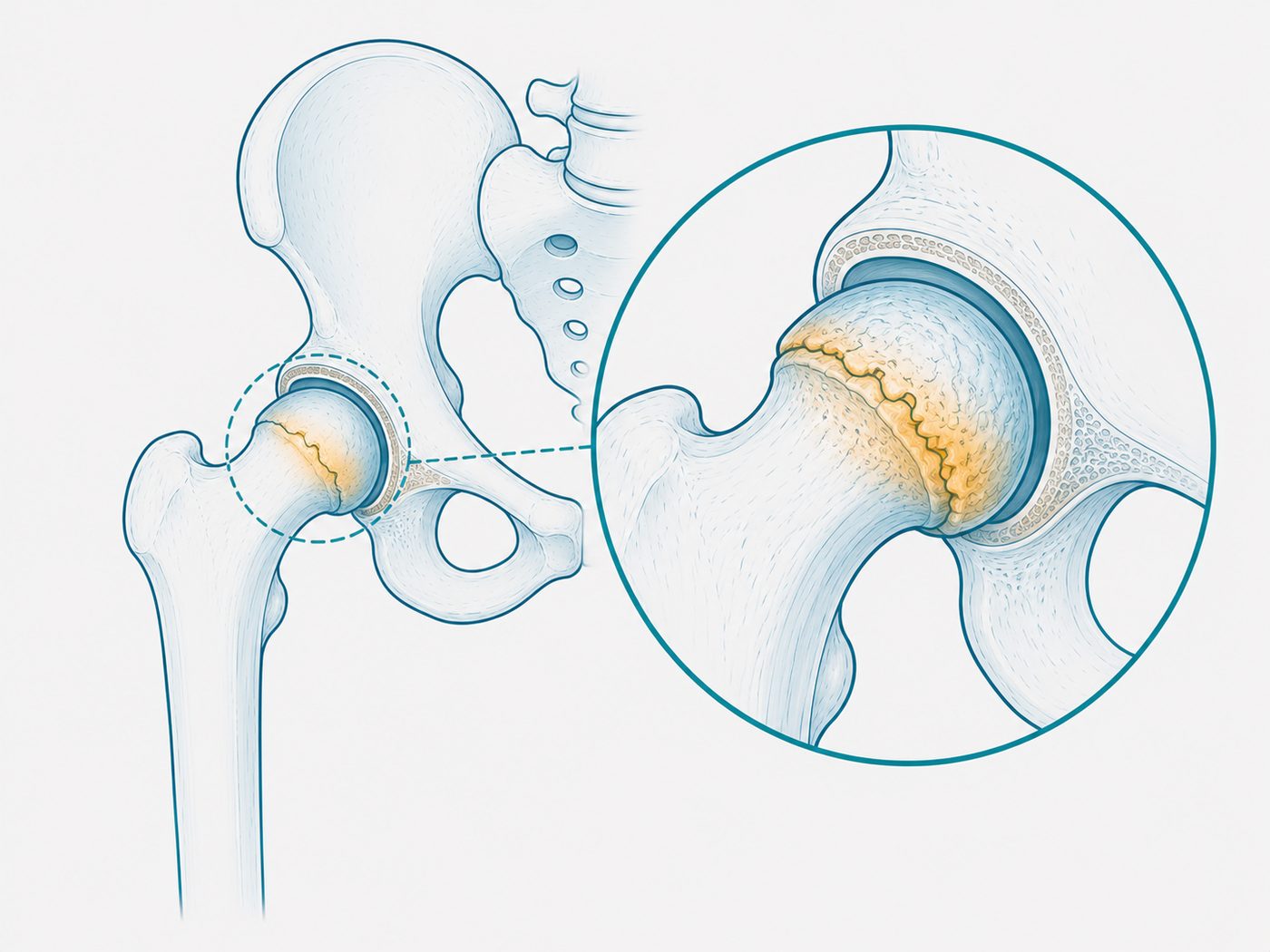
Many muscles, tendons and joints meet in the groin area, which makes accurate assessment particularly important - groin pain can come from entirely different sources requiring different treatment. Repetitive load, a sharp increase in training intensity or returning to activity too quickly after a break can cause pain in the area, especially when the increase in load isn’t matched to the rate at which the adductor muscles can adapt.
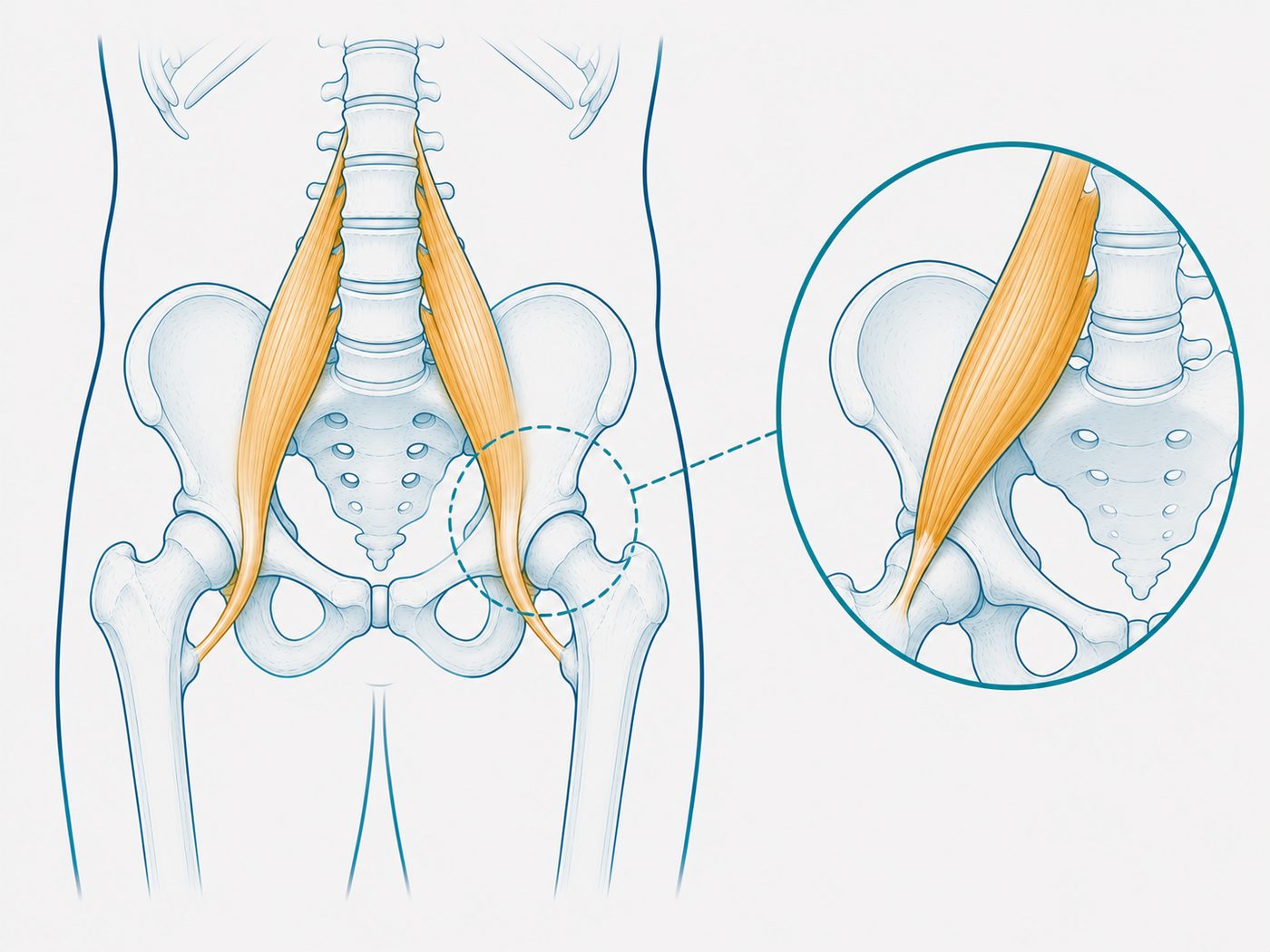
If the pain appears mainly with changes of direction or when kicking with the inside of the foot, that points toward the adductor muscles. If it appears more with lifting the knee high, that can indicate an entirely different source - an important detail to tell me during the assessment.
How does it usually feel?
- Groin pain while running.
- Pain when kicking.
- Discomfort with changes of direction.
- Tenderness to touch.
- Difficulty with sprints.
- You felt a “tearing” or a “pop” at the moment of injury
- There is significant swelling or bruising
- You can’t bear weight on the leg
- The pain is severe and sudden
How can physiotherapy help?
After a comprehensive assessment, we build a plan: adjusted loads, strengthening the muscles around the pelvis and hip (mainly the adductors and the core), better movement control, and graded preparation for a safe return to sport - including exercises specific to the movements of your sport.
Frequently asked questions
Sometimes yes, but usually the load needs adjusting - for instance avoiding sharp changes of direction - so as not to make the pain worse.
Complete rest isn’t always the solution, and sometimes it even delays recovery. A gradual, controlled return according to a structured plan is usually preferable.
This varies according to the cause of the pain and how long it has been present - pain that has been neglected for weeks usually takes longer to rehabilitate than fresh pain.
What’s worth remembering?
Groin pain isn’t something worth ignoring or “playing through”. Early assessment and appropriate treatment can significantly shorten recovery time and get you back to activity safely.
- Many muscles, tendons and joints meet in the groin area, which makes accurate assessment particularly important.
- Pain with changes of direction or kicking with the inside of the foot points to the adductor muscles; pain when lifting the knee high can indicate a different source.
- A sharp increase in training intensity or returning to activity too quickly after a break are major risk factors.
Not sure if this is your situation? I’d be happy to give you a professional assessment and build a treatment plan that fits you.
Book a consultation callYou might also be interested in:
 Pain somewhere else?
Return to the interactive body map and pick an area
←
Pain somewhere else?
Return to the interactive body map and pick an area
←