Thoracic outlet syndrome: when arm pain starts in the neck and shoulder
Pain, numbness and heaviness in the arm that worsen when raising the arms - compression of nerves or vessels in the narrow passage between neck and shoulder.
Thoracic outlet syndrome is less well known than “classic” neck or shoulder problems, and so tends to be diagnosed late - even though its prevalence is estimated at around 8% of the population.
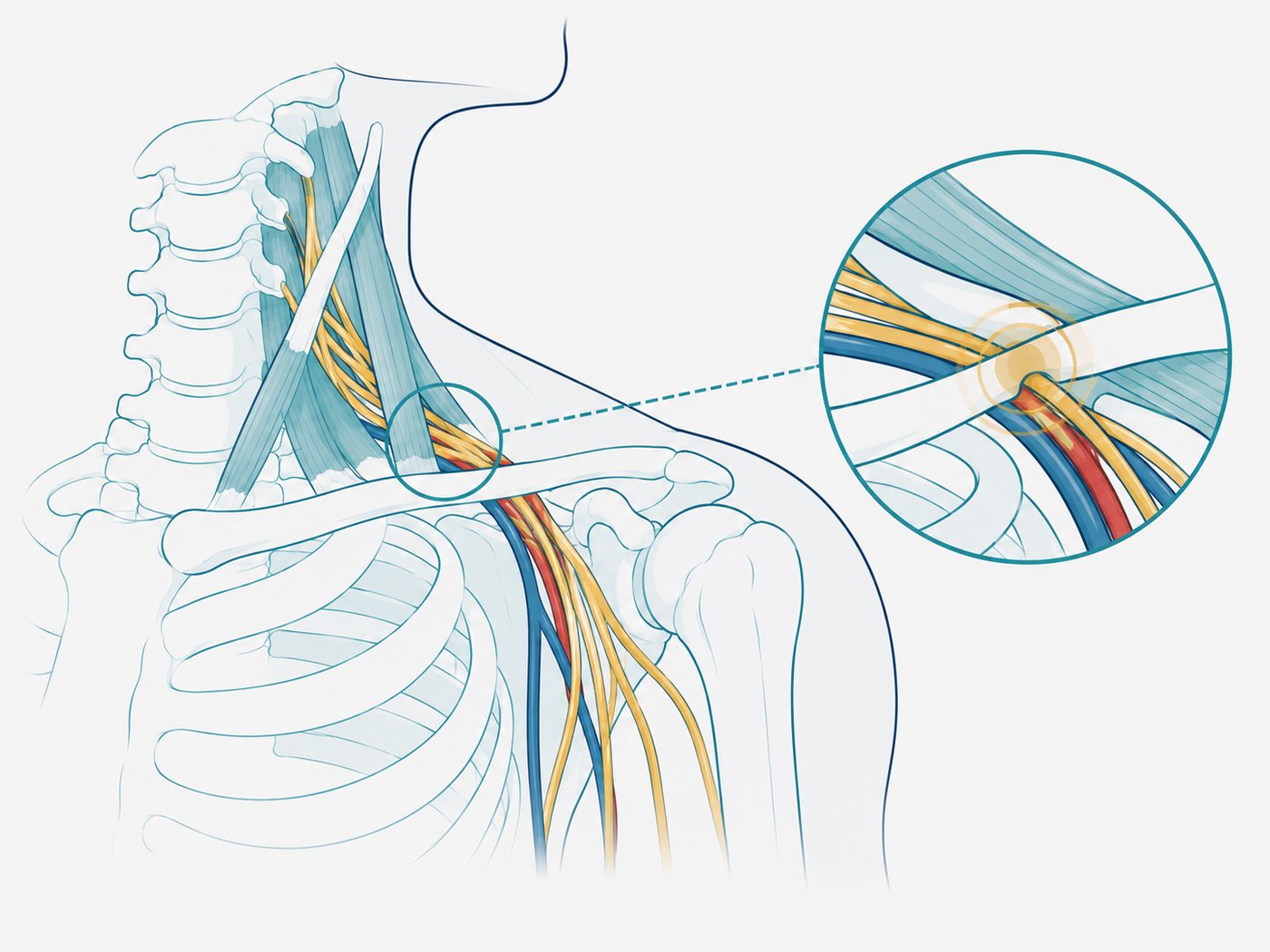
If you have pain, numbness or a feeling of heaviness in the arm that worsens when you raise your arms overhead, and you have perhaps already seen several specialists without a clear diagnosis - this may be thoracic outlet syndrome. This is a condition in which there is compression of a nerve plexus or blood vessels in the narrow passage between the neck and the shoulder, near the first rib and the collarbone.
This syndrome is less well known than “classic” neck or shoulder problems, and so it tends to be diagnosed late or confused with other problems in the area - even though its prevalence is estimated at around 8% of the population.
How does it usually feel?
Symptoms can vary, but many describe:
- Pain, numbness or tingling in the arm and hand, worsening when raising the arms overhead.
- A feeling of heaviness or rapid fatigue in the arm during daily activity.
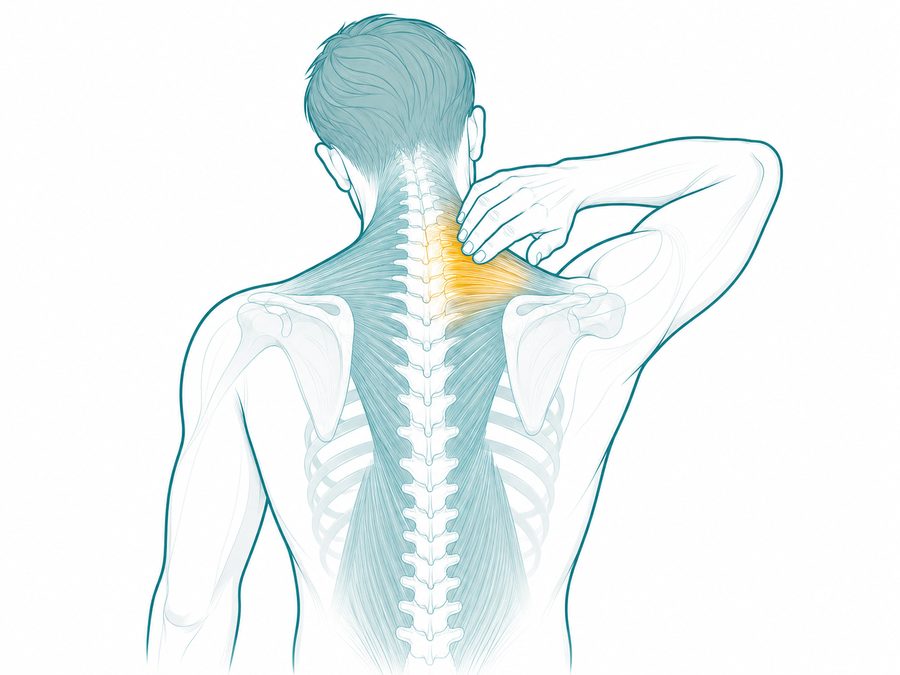
- Pain radiating from the neck to the shoulder and upper back.
- Sometimes mild swelling or a change in color of the hand, less commonly.
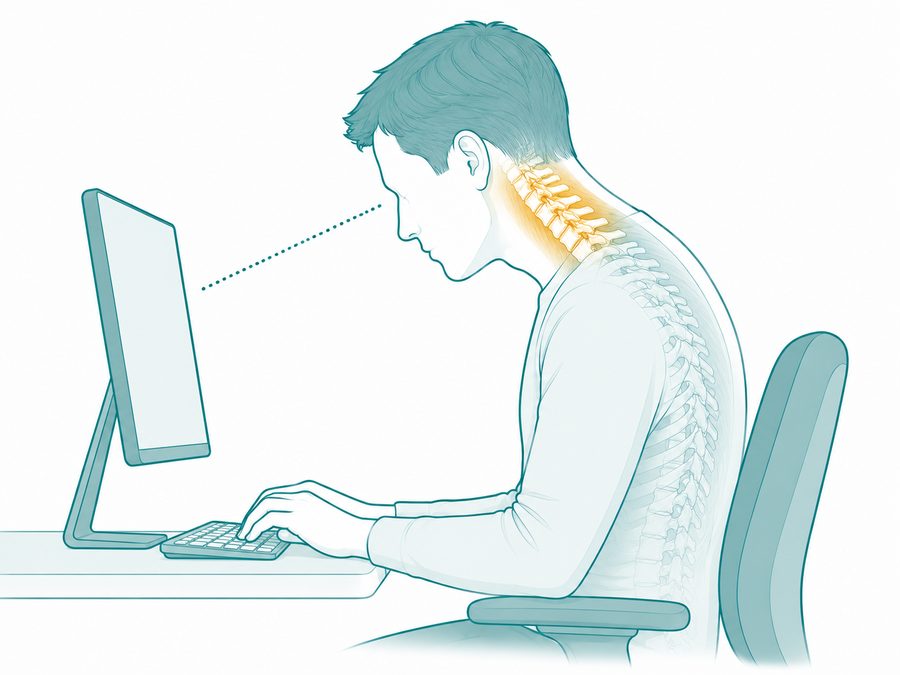
- Worsening with prolonged sitting with the shoulders rounded forward.
Notice whether the symptoms worsen specifically when raising the arms overhead, for example hanging out washing or organising a high shelf - this is a very characteristic pattern that points toward this diagnosis.
What causes thoracic outlet syndrome?
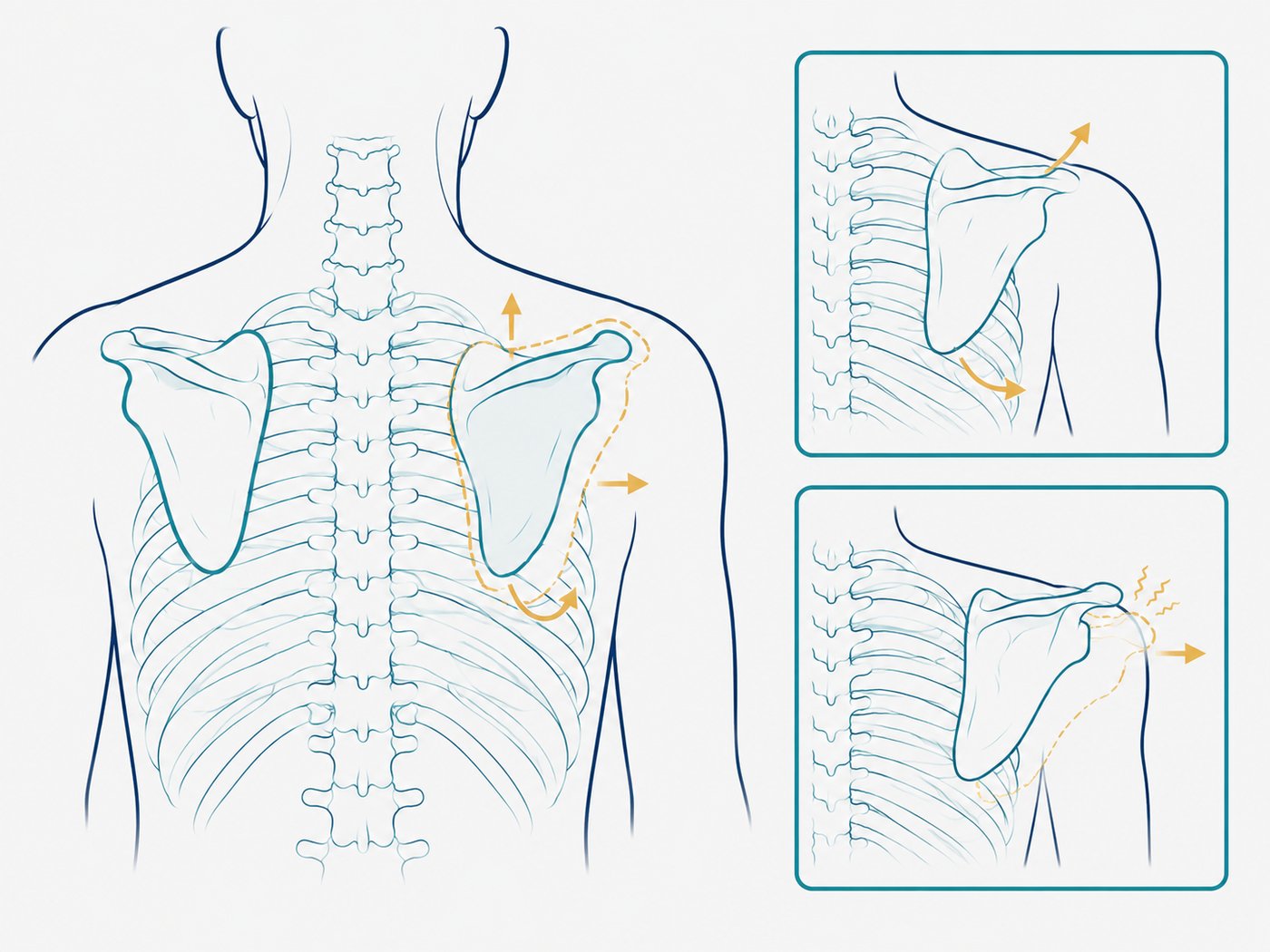
It’s usually a combination of chronic posture with the shoulders forward, muscles in the neck (the scalenes) that become tight and shorten the passage, and more rarely an extra cervical rib present from birth that further narrows the space available for the nerves and blood vessels.
How can physiotherapy help?
In the neurogenic form, which is the most common, physiotherapy is the first line of treatment - including strengthening the shoulder blade and deep neck muscles that open the passage, stretching the scalene and chest muscles that close it, and gradually correcting posture. In most people there is significant improvement with a structured program.
Because the symptoms are so similar to other neck and shoulder problems, accurate diagnosis before starting treatment is critical.
When should you get checked?
If the hand starts to become pale or bluish, significantly colder than the other hand, or there is sudden and significant swelling - seek urgent medical assessment to rule out involvement of the blood vessels.
Frequently asked questions
Roughly both - the narrow passage is located exactly between the neck and the shoulder, which is why the problem is easily confused with those two.
In most cases no - conservative treatment is sufficient. Surgery is mainly reserved for cases with an extra cervical rib or for forms involving the blood vessels.
It varies between people, but with a structured, consistent program significant improvement can be seen within a few weeks to months.
What’s worth remembering?
Thoracic outlet syndrome is misdiagnosed as a neck or shoulder problem in many cases - accurately identifying the pattern of symptoms is the key to the right treatment.
- It’s caused by compression of nerves or blood vessels in the narrow passage between the neck and the shoulder, near the first rib and the collarbone.
- It’s identified by pain, numbness or a feeling of heaviness in the arm that worsens when raising the arms overhead.
- Prolonged sitting with the shoulders rounded forward makes the symptoms worse.
Not sure if this is your situation? I’d be happy to give you a professional assessment and build a treatment plan that fits you.
Book a consultation callYou might also be interested in:
 Pain somewhere else?
Return to the interactive body map and pick an area
←
Pain somewhere else?
Return to the interactive body map and pick an area
←