Scapular dyskinesis: when the shoulder isn’t the real problem
Abnormal movement of the shoulder blade that affects shoulder function - closely linked to shoulder pain that doesn’t improve as expected.
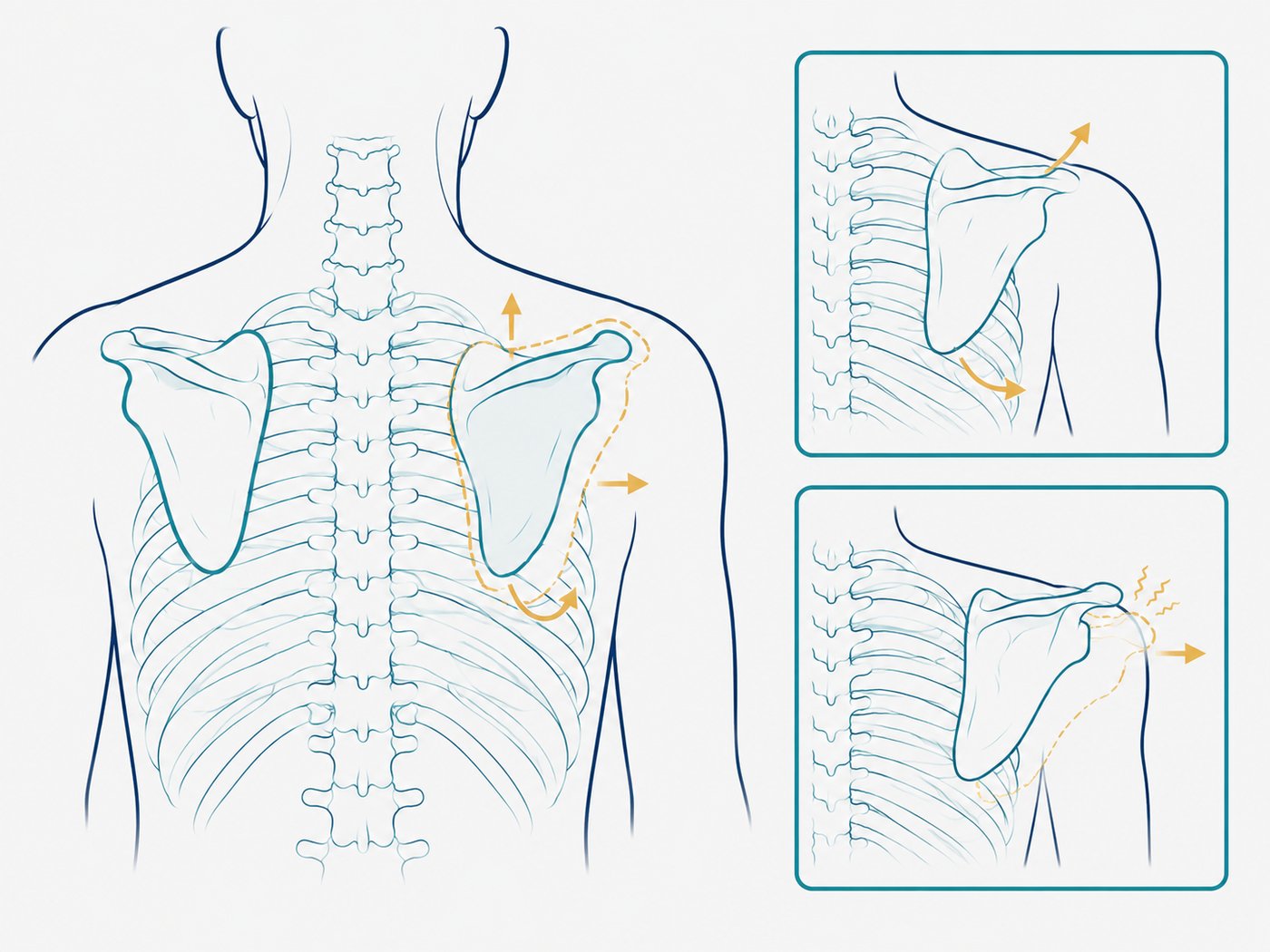
Sometimes shoulder pain doesn’t improve despite treatment focused on the shoulder itself - because the real problem lies a little further back, in the uncoordinated movement of the shoulder blade - a condition called scapular dyskinesis, sometimes referred to as shoulder dyskinesia.
Sometimes shoulder pain doesn’t improve despite treatment focused on the shoulder itself - because the real problem lies a little further back, in the movement of the shoulder blade. Scapular dyskinesis is a condition in which this bone doesn’t move properly and in coordination with the movement of the arm.
The shoulder blade is the base on which all shoulder movement “sits”, and so when its movement isn’t normal, it creates incorrect loading on other structures in the shoulder - which is exactly why shoulder and upper back specialists treat it as a separate topic.
How does it usually feel?
Symptoms can vary, but many describe:
- Pain or fatigue in the upper back and shoulder, mainly with overhead movements.
- Visible asymmetry between the shoulder blades when standing.
- “Winging” of the shoulder blade away from the chest wall during movement.
- Reduced strength or endurance with overhead movements.
- A feeling of “instability” around the shoulder with no other clear cause.
If your shoulder pain isn’t improving despite treatment focused on the shoulder itself, check the movement of the shoulder blade - often that’s where the real source lies.
What causes scapular dyskinesis?
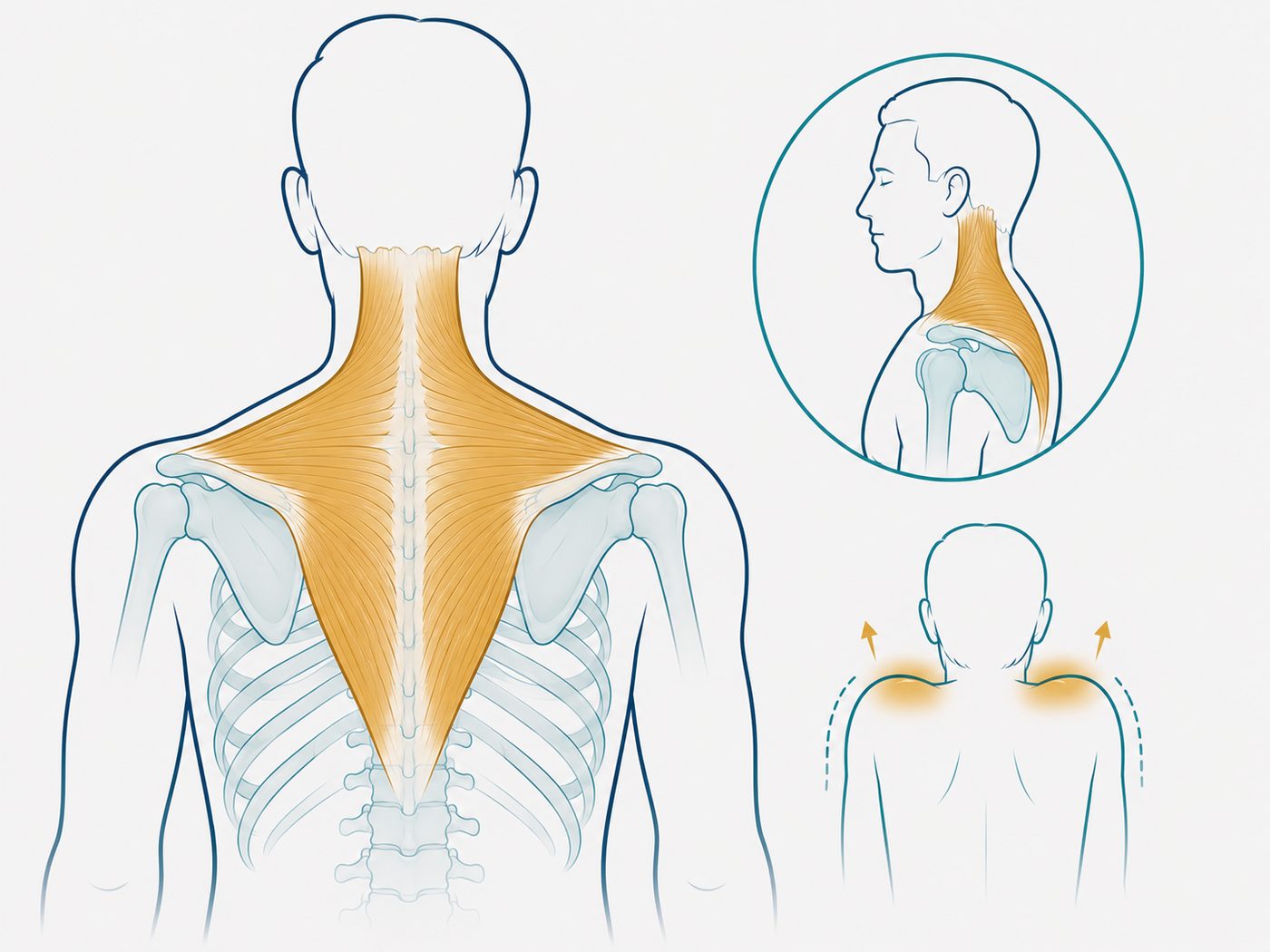
Prolonged sitting with the shoulders rounded forward, weakness in the muscles that stabilize the shoulder blade, mainly the lower trapezius and the serratus anterior, or a previous shoulder injury that caused the body to “compensate” with a different movement pattern - all of these can lead to scapular dyskinesis.
It is especially common in overhead athletes - swimmers, volleyball players, and throwers - whose shoulders repeat thousands of high-load movements. In these sports the shoulder blade is a critical link in the kinetic chain that transfers force from the trunk to the arm, so even a small loss of control there changes the load on the entire shoulder.
How can physiotherapy help?
Treatment focuses on targeted strengthening of the muscles that stabilize the shoulder blade, improving awareness of its correct movement, and gradually correcting faulty movement patterns that have built up over time. In many cases, improving the movement of the shoulder blade brings significant relief to the shoulder pain itself as well.
In practice, treatment usually progresses in stages: first restoring awareness and control of the shoulder blade in simple positions, then targeted strengthening of the serratus anterior and lower trapezius, and finally integrating the corrected pattern into the overhead movements that matter to you - work, training, or sport. Most people feel a meaningful change within a few weeks of consistent practice.
How does it relate to other shoulder problems?
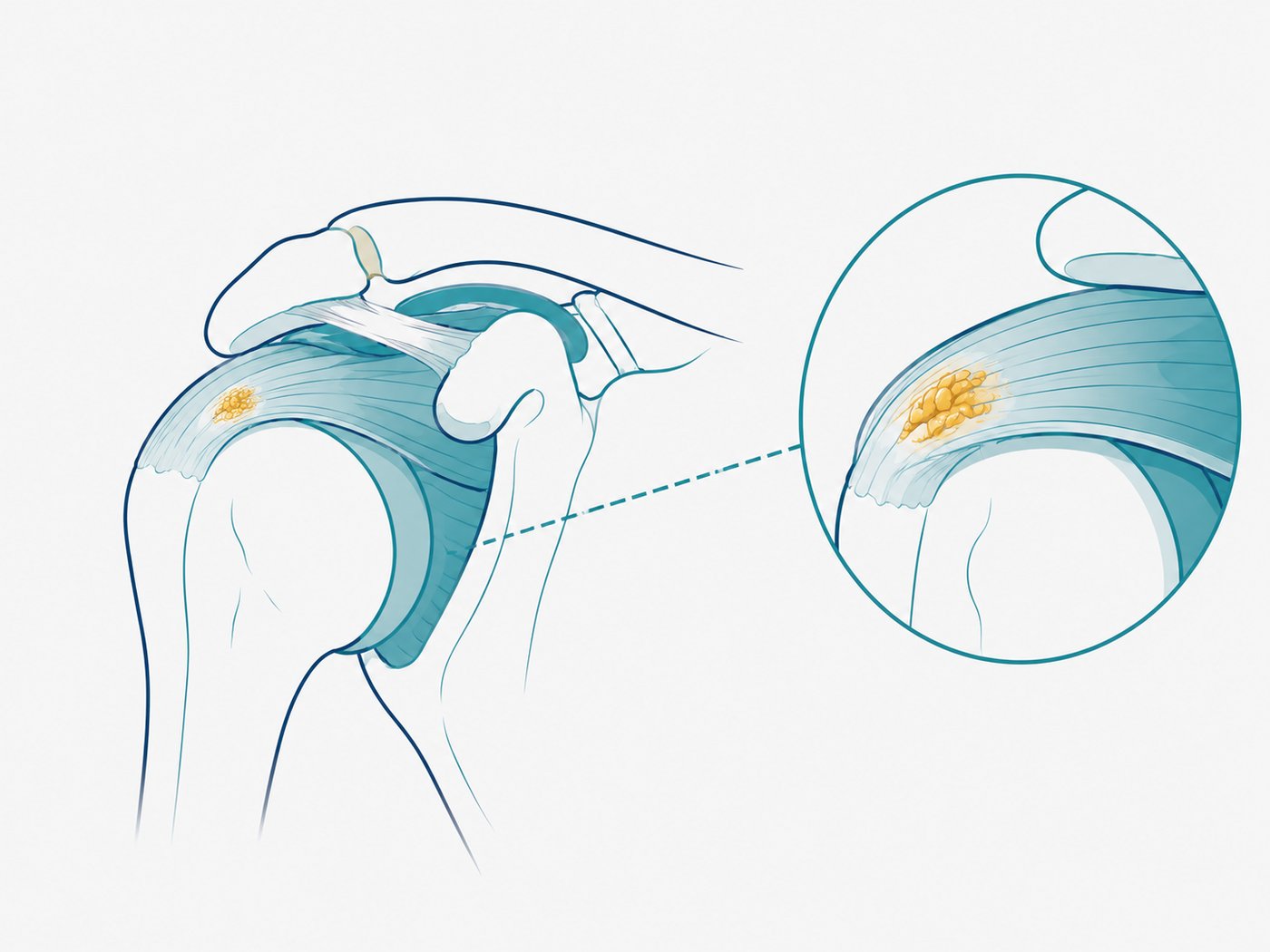
Scapular dyskinesis rarely travels alone. When the shoulder blade does not rotate upward properly, the space beneath the acromion narrows and the tendons passing through it get compressed - one of the mechanisms behind shoulder impingement. On top of that, an unstable base forces the rotator cuff muscles to work harder than designed, which over time contributes to overload and tears.
It is also worth separating it from true scapular winging caused by nerve injury: dyskinesis is a movement-control problem that responds to training, while pronounced, fixed winging warrants an examination to rule out involvement of the long thoracic nerve.
When should you get checked?
If there’s clear, visible winging of the shoulder blade during movement, or the weakness keeps progressing and really affects daily function - get assessed to rule out nerve involvement.
Frequently asked questions
Usually not directly, but indirectly - it incorrectly loads other structures in the shoulder that do hurt.
A clinical examination that observes the movement of the shoulder blade while raising the arm is the best way to identify it.
Yes, in many cases prolonged sitting with rounded shoulders contributes significantly to the phenomenon.
What’s worth remembering?
Scapular dyskinesis is often the real source of shoulder pain that isn’t improving - strengthening and correcting its movement can change the whole picture.
- The shoulder blade is the base on which all shoulder movement “sits” - abnormal movement of it creates incorrect loading on other structures.
- It’s identified by visible asymmetry between the shoulder blades, “winging” of the shoulder blade during movement, and reduced strength with overhead movements.
- If shoulder pain isn’t improving despite focused treatment, it is worth checking the movement of the shoulder blade as a possible source.
Not sure if this is your situation? I’d be happy to give you a professional assessment and build a treatment plan that fits you.
Book a consultation callYou might also be interested in:
 Pain somewhere else?
Return to the interactive body map and pick an area
←
Pain somewhere else?
Return to the interactive body map and pick an area
←